Advanced Manufacturing Buildout.
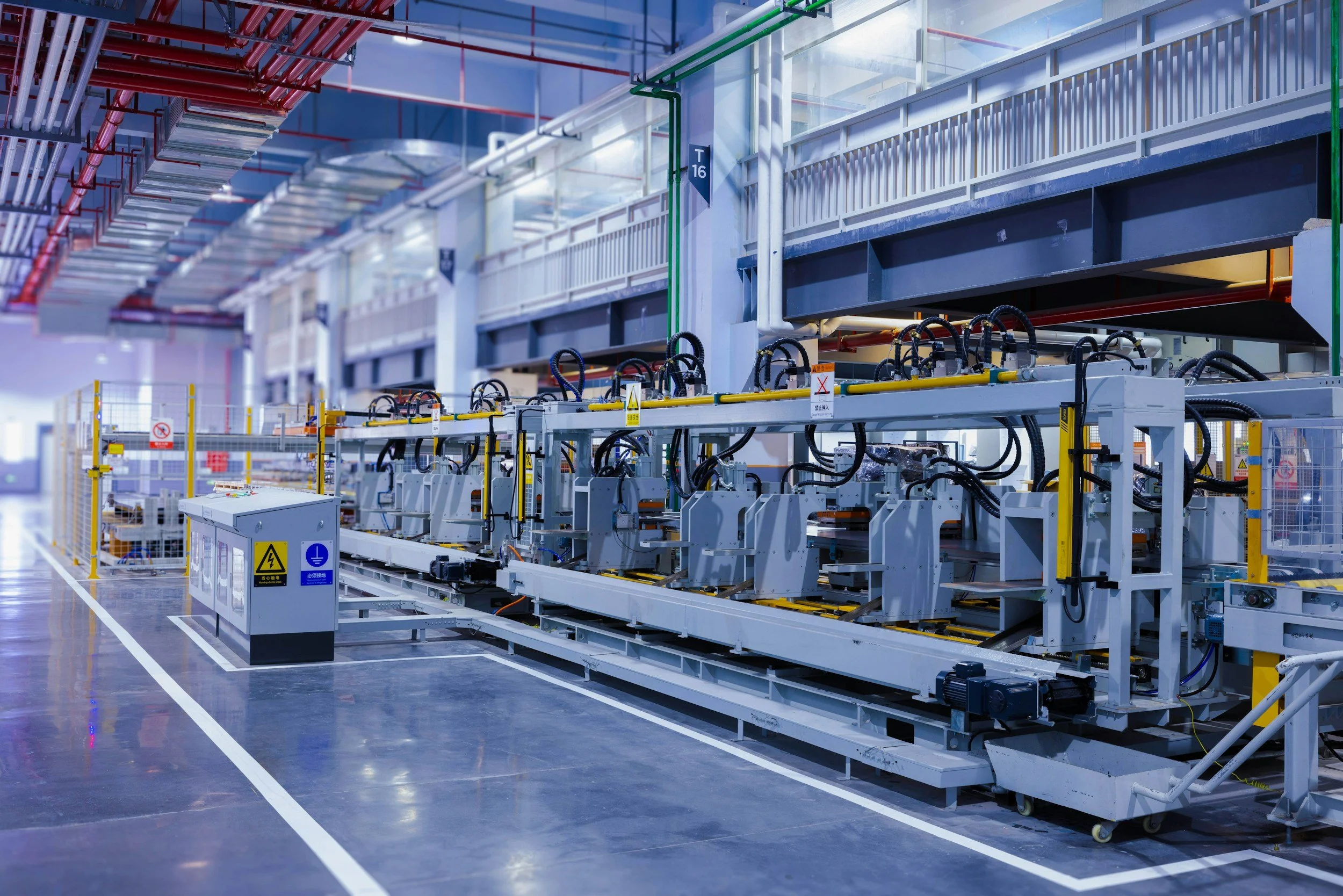
Why a Leading Biologics Developer Chose a Scalable Operating Lease Instead of a $45M Facility Build
Biologic companies are under pressure to reach the market quickly while keeping financial risk under control. Many teams are pushing ahead with ambitious manufacturing plans even when demand forecasting is difficult. This creates a major challenge. Large capital projects can lock a company into fixed assets long before revenue is certain.
A recent client, a mid stage pharmaceutical company preparing its first commercial biologic, faced this exact situation. The team planned a new manufacturing facility with an estimated capital cost of $45 million. The product showed strong promise, but market uptake for novel biologics is rarely predictable. Leadership needed confidence that capacity could scale up or down without being trapped by sunk cost.
The Problem: Traditional CAPEX Creates Risk and Reduces Agility
Building a full facility upfront required committing to large equipment packages, installation, qualification, and long lead infrastructure. Once the company spent the capital, it would be locked into a fixed configuration. If real world demand proved slower, they would be burdened with unused capacity and depressed margins. If demand grew faster than expected, expanding would mean repeating the same lengthy capital cycle.
This all pointed to the same issue. A rigid asset footprint did not match the uncertainty of early stage commercial manufacturing.
The BioCapital Approach: A Scalable Operating Lease Designed for Biologics
Instead of following the traditional capital path, the company adopted BioCapital's operating lease model with an optional Hire or Purchase structure. This transformed the entire project.
The team launched their initial production using a single monthly operating expense. This monthly cost covered all core manufacturing equipment, servicing, qualification support, and lifecycle management. There was no requirement to commit forty five million dollars long before the market validated demand.
By classifying this as OPEX, the company preserved cash for clinical expansion, commercial launch activities, and hiring. They avoided tying capital to equipment that might not be needed in its initial configuration. They also aligned manufacturing cost directly to revenue growth because equipment scale now increased only when production volumes increased.
The Result: Real Flexibility in a Market that Changes Quickly
With BioCapital, adding new production lines became simple. If demand increased, BioCapital provided additional equipment under the same operating model. If technology improved, the company could upgrade without absorbing stranded asset losses. If a product line no longer required a specific piece of equipment, it could be returned rather than depreciated over years.
This approach gave the company something traditional CAPEX could not offer: the ability to match manufacturing capacity to real time market conditions. There were no long approval cycles, no large upfront checks, and no fear of being locked into outdated or oversized assets.
Why This Matters for the Future of Biologic Manufacturing
Biologics are complex. Markets change rapidly. Regulations shift. Technology evolves. Successful companies are now choosing financial models that protect optionality. BioCapital's operating lease solutions help innovators move faster while staying financially responsible. Instead of betting large amounts of capital on early predictions, teams can build capacity step by step with far less risk.
For this client, the operating lease model turned a $45 million challenge into a flexible, scalable path to commercialisation. It preserved cash, reduced risk, and supported a manufacturing strategy that can grow in sync with real demand.
If you want to explore how this model can support your next facility, your next product, or your next scale-up phase, the BioCapital team is ready to help.